
Joint Pain Relief: As we age, our bodies may lose the ability to produce sufficient vitamin D from sunlight, leading to deficiencies that can exacerbate joint issues. Recent studies indicate a strong correlation between vitamin D levels and joint pain relief, suggesting that supplementing this crucial vitamin could be the key to regaining mobility and comfort.
Are you one of the millions struggling with joint pain, constantly searching for ways to alleviate discomfort and pain relief? What if the answer lies in something as simple and natural as vitamin D, a nutrient often overlooked in discussions about joint health?
Vitamin D: The Secret to Pain-Free Joints & Energy
Joint pain is often treated as an inevitable cost of living an active life. Whether it’s the dull ache in your knees after a morning run or the stiffness in your fingers that makes everyday tasks a chore, we are conditioned to reach for ibuprofen or ice packs. But as a fitness and nutrition enthusiast, I’ve learned that we often focus on symptoms while overlooking the foundation.
What if the secret to moving without pain wasn’t a new topical cream, but a simple molecule produced when sunlight hits your skin? Vitamin D—which is actually a pro-hormone rather than a standard vitamin—is the silent architect of our musculoskeletal health. If you are struggling with chronic joint discomfort, you might not be “getting old” or “overtraining.” You might simply be starving for the sunshine vitamin.
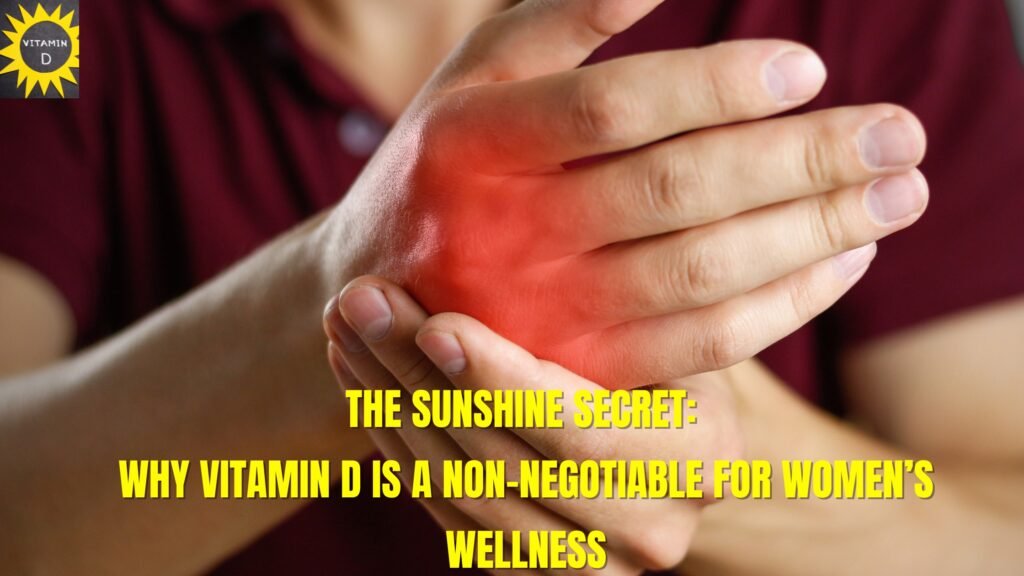
Is Your Joint Pain Actually a Vitamin D Deficiency?
To understand why Vitamin D is so critical for joint relief, we have to stop thinking of it as just a “bone builder.” While its role in calcium absorption is famous, its role in the immune system is where the magic happens for joint pain.
Modulating the Inflammatory Response
Chronic joint pain is almost always a byproduct of runaway inflammation. Inside your joints, small proteins called pro-inflammatory cytokines act like a fire alarm that won’t turn off. They signal the body to mount an attack against perceived threats, causing swelling and heat.
Vitamin D acts as the “chief negotiator” of the immune system. It has the unique ability to downregulate proinflammatory cytokines while increasing anti-inflammatory markers. When your Vitamin D levels are optimal, your body’s inflammatory response is surgical and temporary, rather than blunt and chronic. This reduction in systemic inflammation directly translates to less pressure and “heat” within the joint capsule.
Supporting the “Foundation”: Bone Density and Cartilage
The health of a joint depends on the health of the bone beneath it. This is known as the subchondral bone. When Vitamin D levels drop, your body cannot efficiently absorb calcium. This softens the bone structure. Even if the cartilage is healthy, a weak “foundation” beneath it causes the joint to become unstable.
Furthermore, recent research suggests that Vitamin D receptors are present in human articular chondrocytes—the cells responsible for building and maintaining joint cartilage. This means that Vitamin D isn’t just protecting the bone; it is actively providing the chemical signals required for your cartilage to repair itself after a heavy workout or a long day on your feet.
Recognizing the Gap: Is Your Joint Pain Actually a Deficiency?
The tragedy of Vitamin D deficiency is its invisibility. You can’t “feel” a low blood level until the symptoms manifest as something else—usually muscle aches or joint pain. In the fitness world, we are quick to blame our footwear or our squat form, but the data suggests a much larger problem.
The “Silent” Symptoms of Hypovitaminosis D
According to various nutritional studies, nearly 42% of the US population is vitamin D-deficient. If you are an athlete who trains primarily indoors, or if you live in a northern latitude, that number climbs significantly.
The symptoms of “Hypovitaminosis D” (the medical term for low levels) are often misdiagnosed as:
- Fibromyalgia: General muscle and joint tenderness.
- Chronic Fatigue Syndrome: A persistent lack of energy regardless of sleep.
- Overtraining Syndrome: Feeling like you can’t recover from basic workouts.
If you experience “bone pain” (a deep, throbbing ache) rather than just “muscle soreness,” it is a hallmark sign that your Vitamin D levels are critically low. This pain often occurs in the lower back, hips, and legs—the body’s primary load-bearing joints.
Stop Joint Pain Naturally: The Power of Vitamin D
If you’ve decided to address your Vitamin D levels, you cannot simply go to the store and grab the cheapest bottle on the shelf. As an amateur expert, you should know that Vitamin D works in a complex ecosystem of nutrients. Taking it in isolation can sometimes do more harm than good.
The Nutritional Synergy of D3, K2, and Magnesium
This is the “pro-level” advice that separates amateur experts from the general public. When you take Vitamin D, your body increases its demand for other minerals to process it safely.
-
Vitamin K2 (as MK-7): Think of Vitamin D as the “doorman” that lets calcium into the blood. Vitamin K2 is the “usher” that tells the calcium where to go. Without K2, calcium can end up in your arteries (causing calcification) instead of your bones and joints.
-
Magnesium: This is the “on switch.” Every enzyme that metabolizes Vitamin D requires magnesium. If you are magnesium-deficient (as many athletes are), the Vitamin D you take will remain stored and inactive in your body.

Vitamin D for Women: Stronger Bones, Happier Joints
Why does this matter so much for the fitness community? Because joint pain is the #1 reason people stop exercising. When we lose our ability to move without pain, we lose our muscle mass, our metabolic health, and our mental well-being.
By optimizing Vitamin D, you aren’t just relieving pain; you are extending your athletic lifespan. You are ensuring that your skeletal system is dense enough to handle progressive overload and that your immune system is “smart” enough to repair damage without causing excessive swelling.
The Role of “D-Rich” Nutrition
While the sun is our primary source, the modern indoor lifestyle makes food sources a necessary backup. To support your joints from the inside out, incorporate:
- Sardines and Salmon: High in D3 and Omega-3s (another joint-saver).
- Egg Yolks: Contain small but significant amounts of D3.
- UV-Exposed Mushrooms: Some mushrooms are treated with light to boost their D2 content.
Move Better: How Vitamin D Heals Women’s Joint Pain
Vitamin D is more than a vitamin; for women, it acts as a master regulator. While famous for preventing osteoporosis, it is equally vital for hormonal balance, immune resilience, and mood stability. Despite its impact, millions remain unknowingly deficient, struggling with preventable fatigue and joint aches. As we prioritize long-term vitality, understanding this “invisible” hormone becomes essential.
Why Vitamin D is Important for Women
| Benefit | Description |
|---|---|
| Bone Health | Essential for calcium absorption and skeletal integrity. Critical for preventing osteoporosis, especially for post-menopausal women who face higher fracture risks. |
| Immune System | Adequate levels support a robust immune response, helping the body defend against pathogens and maintaining overall cellular health. |
| Muscle Function | Supports healthy muscle fibers, which are vital for maintaining strength, mobility, and balance as women age. |
| Disease Prevention | Research suggests potential links in reducing risks for:
|
| Pregnancy Health | Maintaining optimal levels during pregnancy may reduce the risk of preeclampsia and low birth weight, improving outcomes for both mother and child. |
Symptoms of Vitamin D Deficiency in Women
| Symptom | Description |
|---|---|
| Fatigue | Extreme exhaustion that doesn't resolve with rest, often the first sign of low Vitamin D. |
| Bone & Joint Pain | Dull, throbbing pain in the hips, knees, or lower back due to poor mineralization. |
| Muscle Aches | General weakness and cramping, as Vitamin D is essential for muscle fiber function. |
| Mood Shifts | Low levels are frequently linked to seasonal depression and increased anxiety in women. |
| Hair Thinning | Disruption in the follicle growth cycle, leading to thinning or noticeable shedding. |
| Weak Immunity | An increased tendency to catch respiratory infections or common colds year-round. |
Symptoms of Vitamin D Deficiency in Women
| Symptom | Description |
|---|---|
| Fatigue | Extreme exhaustion that doesn't resolve with rest, often the first sign of low Vitamin D. |
| Bone & Joint Pain | Dull, throbbing pain in the hips, knees, or lower back due to poor mineralization. |
| Muscle Aches | General weakness and cramping, as Vitamin D is essential for muscle fiber function. |
| Mood Shifts | Low levels are frequently linked to seasonal depression and increased anxiety in women. |
| Hair Thinning | Disruption in the follicle growth cycle, leading to thinning or noticeable shedding. |
| Weak Immunity | An increased tendency to catch respiratory infections or common colds year-round. |
How Women Can Get Vitamin D
| Source | Details |
|---|---|
| Sunlight | UV rays from the sun help your skin produce vitamin D naturally. Production depends on time of day, season, latitude, skin color, and sunscreen use. Note: Prolonged unprotected exposure is not recommended due to skin cancer risks. |
| Dietary Sources | Only a few foods naturally contain significant vitamin D:
|
| Fortified Foods | Many common staples are fortified with vitamin D:
|
Risks of Too Much Vitamin D (Toxicity)
| Risk Factors | Common Symptoms |
|---|---|
| Hypercalcemia | High calcium levels in the blood leading to nausea, vomiting, and constipation. |
| Excessive Hydration Issues | Frequent urination accompanied by unquenchable thirst (polydipsia). |
| Muscle Weakness | Significant difficulty with movement or a sudden drop in physical strength. |
| Cognitive Confusion | Difficulty thinking clearly, memory lapses, or mental fog. |
| Chronic Bone Pain | Paradoxically, too much Vitamin D can cause intense bone aches similar to deficiency. |
| Kidney Complications | The formation of painful kidney stones or calcium deposits in the urinary tract. |
| Heart Rhythm Issues | Irregular heartbeats or arrhythmia caused by excessive calcium in the electrical system of the heart. |
Recommended Daily Intake for Women
| Age Group / Stage | Recommended Daily Intake |
|---|---|
| Ages 1–70 years | 15 mcg (600 IU) daily |
| Over 70 years | 20 mcg (800 IU) daily |
| Pregnancy & Breastfeeding | 15 mcg (600 IU) daily |
The Bottom Line
Vitamin D is crucial for women’s health, especially for bone strength and overall well-being. While many women can meet their vitamin D needs through sunlight and diet, supplementation may be necessary for some. It is important to consult with your healthcare provider to assess your vitamin D levels and determine the correct dosage for supplementation. They can help you create a personalized plan that fits your unique health status and risk factors.