
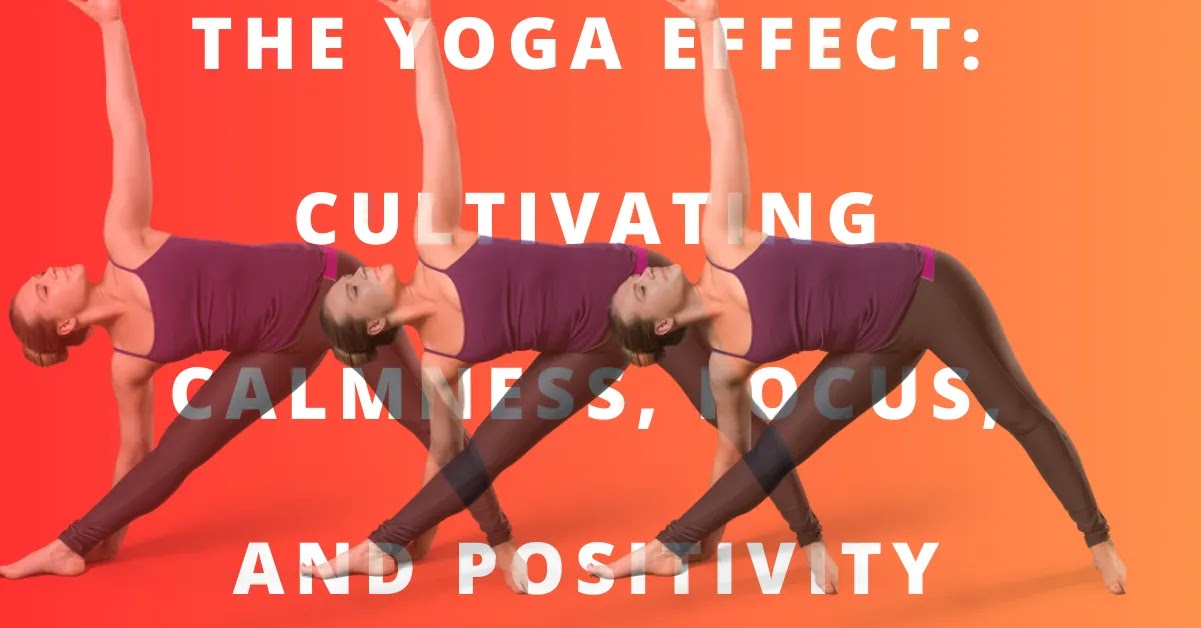
Yoga for Anxiety Relief: Yoga has gained widespread popularity as a practice that not only enhances physical flexibility and strength but also offers numerous mental and emotional benefits. In this article, we will explore the profound impact of yoga on cultivating a calmer, more focused, and positive mindset. Discover how incorporating yoga into your routine can transform your overall well-being.
Yoga for Anxiety Relief: Calm Your Mind, Heal Your Body
| Topic | Description |
|---|---|
| The Mind-Body Connection in Yoga | Yoga is a holistic practice that emphasizes the connection between the mind and body. Through a combination of physical postures (asanas), breathing exercises (pranayama), and meditation, yoga works to harmonize the body and mind, leading to a deeper sense of self-awareness and inner peace. |
| Cultivating Calmness | Regular yoga practice has been shown to reduce stress levels and promote a sense of calmness. The deliberate focus on breathing and mindful movement during yoga sessions helps activate the body’s relaxation response, easing tension and anxiety. By quieting the mind and releasing physical tension, yoga provides a sanctuary for finding calm amidst the chaos of daily life. |
| Enhancing Focus | Yoga involves a series of intentional movements and poses that require concentration and focus. Through mindful awareness of the body and breath, yoga cultivates a state of present-moment awareness. This heightened focus during yoga practice translates into improved concentration and mental clarity in daily life. Regular yoga practitioners often report enhanced productivity and a greater ability to stay present and engaged in tasks. |
| Promoting Positivity | The combination of physical movement, breath control, and meditation in yoga creates a conducive environment for cultivating positive emotions. Yoga encourages the release of endorphins, known as “feel-good” hormones, which contribute to a more positive mood and overall well-being. Additionally, the practice of gratitude and self-compassion, often integrated into yoga sessions, fosters a positive mindset and a greater appreciation for oneself and others. |
| The Science Behind Yoga’s Effects | Numerous scientific studies have demonstrated the positive impact of yoga on mental health. Research has shown that yoga can reduce symptoms of anxiety, depression, and stress while improving overall psychological well-being. Furthermore, neuroimaging studies have indicated that yoga can enhance brain function, including areas associated with attention, memory, and emotional regulation. |
| Incorporating Yoga into Your Life | To experience the transformative benefits of yoga, it is recommended to establish a regular practice. This can involve attending yoga classes, following online tutorials, or creating a personalized routine at home. Consistency is key, as regularity allows for the cumulative effects of yoga to unfold over time. Start with gentle yoga sequences and gradually progress as your body and mind adapt to the practice. |
Yoga aimed to integrate the mind, the body, and the spirit. Every day, people report excellent experiences with Yoga. The foremost essential advantage of yoga is physical and mental therapy.
The aging procedure, which is usually a man-made condition, caused mainly by autointoxication or self-poisoning, is often delayed by practicing yoga.
Yoga is all about feeling good.
The Anxiety Reset: Why Yoga is Your Best Tool
Yoga breath: Yoga encourages deep breathing, which increases oxygen uptake in the body’s cells and supports cell growth. Yogic exercises promote more consistent, deeper breathing, which gradually burns calories.
Yoga’s inclusion of stretching techniques and meditation can also help relieve pain.
The effectiveness of yoga in reducing pain stems from its focus on self-awareness. Regular rehearsing of asanas, pranayama, and meditation can relieve various ailments like diabetes, digestive disorders, arthritis, arteriosclerosis, chronic fatigue, asthma, varicose veins, and heart conditions.
Following Yoga also leads to a greater reduction in anxiety. Back pain is the most common reason to seek medical attention. Yoga can help treat and prevent back pain by enhancing strength and flexibility. Both acute and long-term stress can cause muscle tension and exacerbate back problems.
Practicing yoga can help identify chronic pain victims with helpful tools to dynamically affect their pain and help counter feelings of helplessness and depression.
Yoga is effective for everyone.
Regular yoga practice can help with weight management. There are several asanas like the shoulder stand and therefore the fish posture, which is specific for the thyroid, metabolism is additionally increased, so fat is converted to muscle and energy.
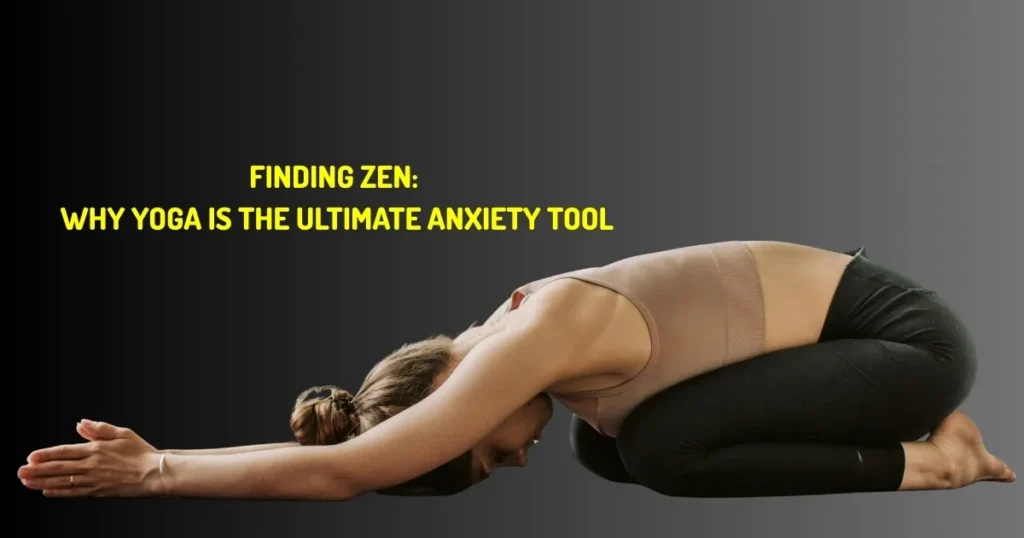
Yoga Secrets for Emotional Eating & Calm Living
| Aspect | Explanation |
|---|---|
| 1. Stress Reduction through Mindful Movement | The challenge incorporates yoga flows that combine physical postures with deep, conscious breathing. This activates the parasympathetic nervous system, promoting relaxation by reducing heart rate, blood pressure, and cortisol levels. It helps calm both body and mind, significantly lowering stress and anxiety. |
| 2. Cultivating Mindfulness for Present Moment Awareness | Mindfulness practices in the Yoga Burn Challenge teach participants to focus on the present moment without judgment. This reduces mental distractions, eases anxiety, and improves emotional control by encouraging a non-reactive mindset. |
| 3. Emotional Regulation through Body Awareness | Asanas can trigger emotional responses. The challenge encourages self-acceptance and helps participants connect physical sensations with emotional states. This fosters emotional resilience and better coping mechanisms during stressful situations. |
| 4. Improved Sleep Quality for Mental Clarity | Regular yoga practice reduces stress hormones and induces relaxation, improving sleep quality. Better sleep enhances mental clarity, mood, and cognitive function—key contributors to better mental health. |
| 5. Boosting Self-Esteem and Confidence | The physical improvements in strength, flexibility, and posture, combined with emotional growth, help build self-confidence. Participants also develop self-compassion and body appreciation, fostering a more positive self-image. |
Conclusion: Yoga for Anxiety Relief:
Do you feel overwhelmed by the daily grind? Using yoga for anxiety relief is a powerful, science-backed way to ground yourself. By focusing on deep breathing and mindful movement, yoga for anxiety relief helps lower cortisol levels and calms the nervous system. Start your journey today; even five minutes of yoga for anxiety relief can transform your mental state and restore your peace.
Yoga has the remarkable ability to transform not only the physical body but also the mind and spirit. Through its mindful movements, conscious breathing, and meditation, yoga offers a pathway to cultivate calmness, enhance focus, and nurture a positive outlook on life. By incorporating yoga into your routine, you can embark on a journey of self-discovery and self-care, reaping the holistic benefits it offers.
Source & Credits:
Why Yoga Is a Journey of Self-Discovery Beyond Physical Fitness
Yoga Symbols and Meanings in Women’s Body and Their Spiritual Significance
Body & Mind: The Powerful Connection Between Physical and Mental Health
Yoga para el Estrés y la Ansiedad: 5 Posturas para el Equilibrio Emocional
Explora nuestras categorías · Explore our categories


Pingback: Yoga para el Estrés y la Ansiedad: 5 Posturas para el Equilibrio Emocional
Pingback: Remedios Caseros para la Ansiedad y Nervios: 7 Soluciones Naturales Efectivas