
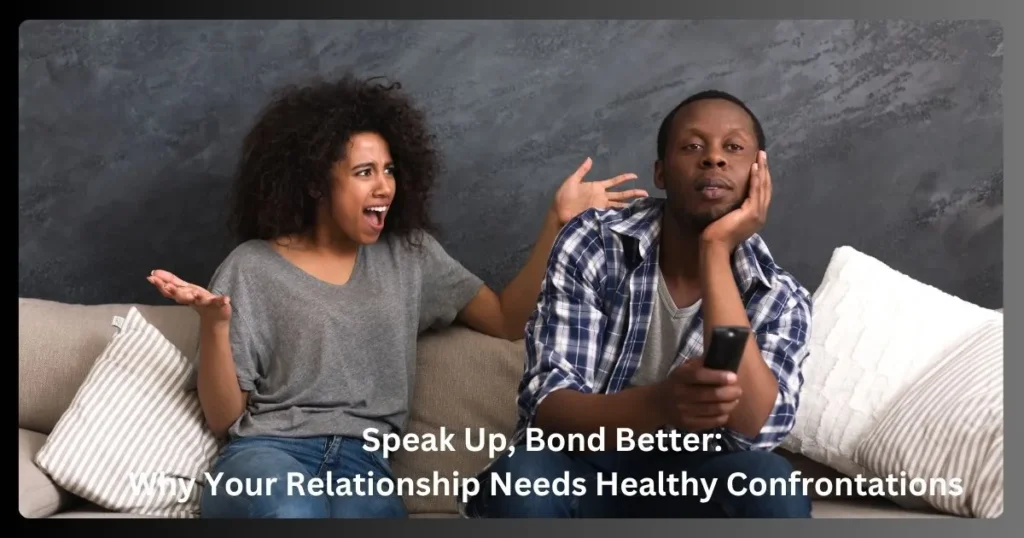
“I feel unheard in my relationship” – this is one of the most common whispers we hear from women who have spent years keeping the peace at their own expense. You are not broken. You were just never given the tools.
Contents
What if conflict wasn’t a threat but your greatest ally? Healthy confrontation unlocks deeper intimacy, unshakable trust, and authentic communication. When handled with care, disagreements become doorways to understanding. Research shows that couples who embrace healthy confrontation experience 43% higher relationship satisfaction and long-term resilience.
🌸 For women 35 and over: After decades of being the "peacekeeper" – in your family, your career, your friendships – confrontation might feel terrifying. You may worry: "If I speak up, will I lose him?" This guide is for you. Healthy confrontation doesn't mean fighting. It means finally being seen and heard without losing the love you've built.
The Benefits of Healthy Confrontation
Effective confrontation is rooted in clear and honest communication. When partners engage in healthy confrontation, they create a safe container to share thoughts without fear of judgment or retaliation. This radical transparency reveals each other's needs, desires, and emotional landscapes.
🗣️ Instead of passive aggression or silence, you learn to articulate boundaries and expectations directly. The result? Conversations become more meaningful, misunderstandings decrease, and emotional intimacy flourishes.
Ultimately, communication shifts from "winning" to "understanding," laying the groundwork for long-term harmony.
When partners confront issues with courage and vulnerability, they send a powerful message: "Our relationship is strong enough to handle hard things." This willingness to be authentic — even when it's uncomfortable — builds profound trust.
❤️ How healthy confrontation deepens intimacy: You reveal your true self, including fears and disappointments. In return, your partner responds with empathy rather than defense. Each resolved conflict becomes a brick in the foundation of unshakable closeness.
As trust grows, so does emotional and physical intimacy. Partners feel seen, respected, and valued — even during disagreements. This creates a virtuous cycle where vulnerability begets more vulnerability.
Unaddressed issues are like weeds in a garden — they quietly choke the life out of connection. Healthy confrontation acts as preventive medicine, pulling out resentment by the roots before it can calcify into bitterness.
🌱 Beyond resentment: personal transformation
Constructive confrontation forces introspection. It asks: "Why does this trigger me? What childhood pattern is showing up? How can I respond instead of react?" This self-reflection builds emotional intelligence and maturity.
When both partners commit to this process, the relationship becomes a catalyst for mutual evolution — each conflict becomes a stepping stone to becoming better humans and better partners.
Healthy confrontation provides a structured, respectful framework for conflict resolution. Instead of attacking each other, partners learn to attack the problem. This subtle shift changes everything.
⚖️ Key elements of effective conflict resolution:
- 🔍 Focus on specific behaviors, not character assassination
- 🤝 Seek win-win compromises rather than domination
- 🧠 Use collaborative language ("we" instead of "you vs me")
- ✅ Create actionable agreements that both feel good about
The result is a relationship characterized by stability, flexibility, and mutual problem-solving. Disagreements no longer feel like threats — they feel like collaborations.
Decades of relationship science confirm that how couples handle conflict determines the longevity and happiness of their bond. Healthy confrontation isn't just "nice to have" — it's a predictor of success.
- 📈 Gottman Institute: Couples who use gentle start-ups and repair attempts (core elements of healthy confrontation) have a 94% chance of staying happily together long-term.
- 🧠 Neuroscience: Regular constructive confrontation strengthens prefrontal cortex regulation, reducing amygdala hijacks (emotional explosions).
- ❤️ Attachment theory: Secure partners view conflict as a chance to connect; they report higher intimacy after disagreements resolved with respect.
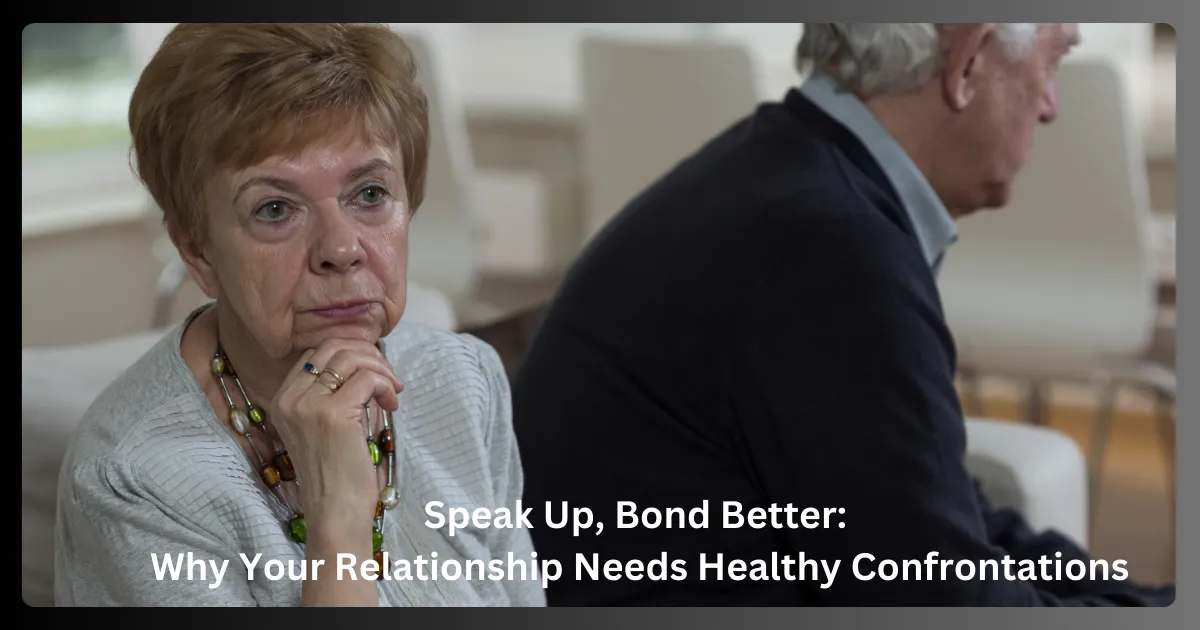
Key Elements of Healthy Confrontation
Mastering healthy confrontation transforms tension into trust. Learn how timing, language, and emotional intelligence turn difficult talks into deeper connection.
⏰ Timing & Environment
Pick a private, neutral space. Avoid starting when tired, hungry, or rushed. Set aside 20–30 minutes of uninterrupted time.
"Is now a good time, or would later work better?"
🗣️ "I" Statements
Express feelings without accusation. Formula: "I feel [emotion] when [situation] because [impact]. I would appreciate [request]."
🧘 Composure & Self-Regulation
If flooded, take a 10-minute break. Keep tone neutral, soften facial expressions, use open palms.
🧘 Seek Solutions Together
True healthy confrontation is never about “winning” — it’s about co-creating a resolution. Approach the conversation as teammates against the problem, not opponents. Brainstorm solutions that honor both partners’ core needs.
🤝 Ask: “What can we both do differently moving forward?” or “How can we design a system that works for us both?” This collaborative mindset deepens intimacy and builds shared accountability.
Even when compromise feels difficult, focusing on mutual gain strengthens the relationship’s resilience. After all, successful couples don’t avoid conflict — they master healthy confrontation to emerge closer.
🧘 Listen Actively
Active listening is the bridge from misunderstanding to empathy. In the context of healthy confrontation, it means fully concentrating on the speaker, absorbing their message, and reflecting back what you hear.
🔁 Use phrases like: “What I’m hearing is…” or “It sounds like you felt frustrated because…” Validating emotions (even when you disagree) shows respect and reduces tension.
🧠 The Role of Emotional Intelligence (EI)
Emotional intelligence elevates healthy confrontation from a tactical skill to a relational art. High EI involves:
- Self-awareness: Recognizing your triggers before you react.
- Self-regulation: Staying composed even under stress.
- Empathy: Sensing your partner’s emotional landscape.
- Social skills: Navigating conflict with diplomacy and warmth.
Real-Life Examples: Healthy Confrontation in Action
Sometimes the best way to learn is to see it in action. Here is how healthy confrontation looks in everyday situations.
Scenario A: Household Chores
Instead of silent resentment, Mia uses "I feel overwhelmed when the chores pile up. Can we create a shared schedule?"
💡 Why it works: No blame. Clear request. Partnership mindset.
Scenario B: Financial Priorities
Alex and Jordan disagree on spending. They sit down, use active listening, and find a compromise: 70% joint savings, 30% personal freedom.
💡 Why it works: Collaboration wins. Both needs are honored.
Scenario C: Family Boundaries
During holiday stress, they calmly express needs: "I need downtime after visits." Each partner validates the other's perspective, strengthening unity.
💡 Why it works: Boundaries are spoken with love, not anger.
✨ These examples show that healthy confrontation is not conflict — it’s clarity with care.
💬 Which scenario feels most familiar to you? Share in the comments below.
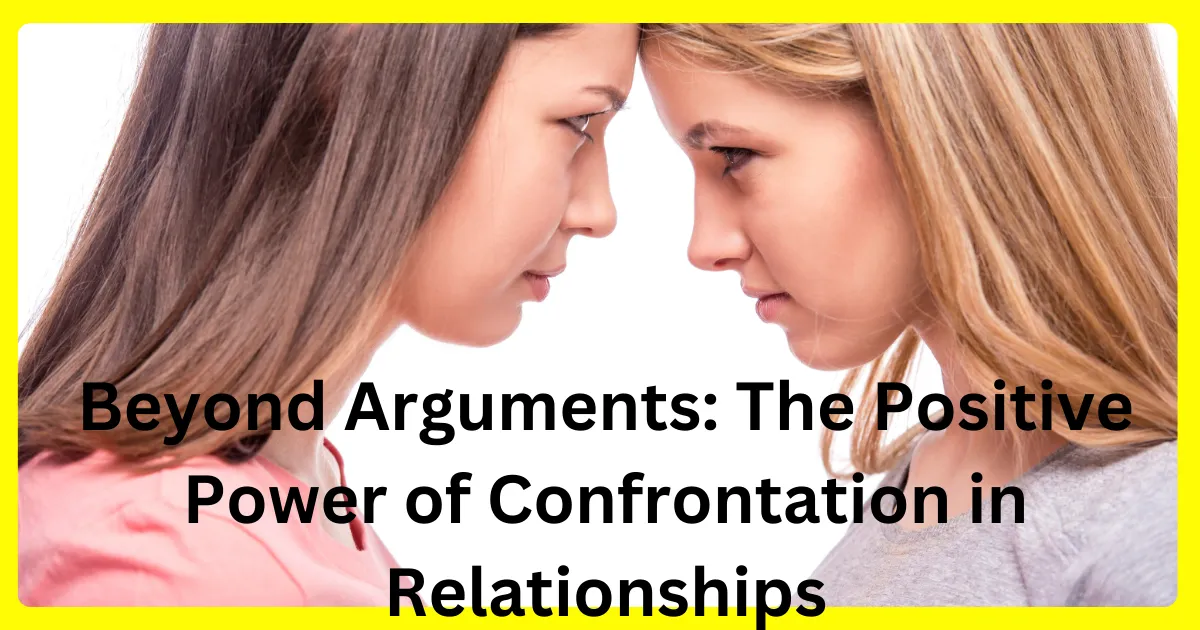
Practical Tips for Healthy Confrontation
Transform difficult conversations into opportunities for growth. These evidence-based strategies help you prepare, communicate effectively, and overcome the deepest challenges of healthy confrontation.
Preparation is the foundation of healthy confrontation. Before initiating a difficult conversation, take intentional time to reflect on your emotions, needs, and desired outcomes.
- ✍️ Journal your thoughts: What exactly bothers you? What outcome would feel like a win-win?
- 🎯 Clarify your goal: Are you seeking understanding, a behavior change, or emotional validation?
- 🧘 Regulate your nervous system: Deep breathing or a short walk before the talk prevents emotional flooding.
Non-verbal cues often speak louder than words. In healthy confrontation, your posture, eye contact, and gestures can either invite connection or trigger defensiveness.
Key body language principles:
- 👁️ Maintain soft eye contact: Shows you're present, not aggressive.
- 🤲 Open palms and uncrossed arms: Signals receptivity rather than barriers.
- 📏 Relaxed shoulders: Tension can be contagious; breathe deeply to stay grounded.
Blame triggers the "fight or flight" response, making healthy confrontation impossible. Instead of pointing fingers, take ownership of your experience.
Transform blaming statements:
- ❌ “You always ignore my feelings.” → ✅ “I feel lonely when I don’t get a response. I’d love to connect more.”
- ❌ “You’re so irresponsible.” → ✅ “I feel anxious when plans change last minute. Can we create a backup system?”
When emotions escalate, the brain’s amygdala hijacks rational thinking. Stepping away isn’t avoidance — it’s a strategic tool for preserving healthy confrontation.
How to take an effective break:
- ⏸️ Set a specific time to return: “Let’s pause for 20 minutes and reconvene at 7 PM.”
- 🚶 Use the time to self-soothe: Walk, breathe, journal — don’t rehearse arguments.
- 🔄 Return with curiosity: “I’m ready to listen. Can we start over?”
Some conflicts require a neutral third party to facilitate healthy confrontation. Therapists, coaches, or trusted mentors can provide structure and safety.
When to seek mediation:
- 🔁 Recurring patterns: The same issue keeps surfacing without resolution.
- 💥 Emotional intensity: Conversations regularly escalate into yelling or shutdown.
- 🧩 Complex dynamics: Past betrayals, family involvement, or power imbalances exist.
For many, the fear of conflict stems from childhood experiences, past rejections, or a deep desire to keep the peace. However, avoiding healthy confrontation often leads to silent resentment and emotional distance.
How to overcome conflict avoidance:
- 🌱 Start small: Practice with low-stakes topics (e.g., “I’d prefer Italian food tonight”).
- 📖 Reframe your belief: Conflict isn’t danger — it’s information. Healthy confrontation builds intimacy.
- 🧠 Use visualization: Imagine the conversation going well, with both parties feeling respected.
Defensiveness is the #1 predictor of relationship breakdown according to research by Dr. John Gottman. It manifests as counter-attacks, excuses, or stonewalling — all enemies of healthy confrontation.
Signs you're being defensive:
- 🙅 “That’s not true!” (immediate denial)
- 🔄 “Well, YOU also…” (counter-blame)
- 📝 Making excuses instead of listening.
How to lower defensiveness:
- 🧘 Pause 5 seconds before responding.
- 👂 Validate first: “I can see why you'd feel that way.”
- 🤝 Take responsibility for small parts: “You're right, I did raise my voice. I'm sorry.”
Previous toxic relationships, family dysfunction, or traumatic confrontations can make healthy confrontation feel unsafe — even with a loving partner. Your nervous system may react to current conflicts as if they were past threats.
Healing strategies:
- 📝 Identify triggers: What specific words or tones activate your past wounds?
- 🗣️ Communicate your history: “I know I get defensive when voices rise — it reminds me of my parents’ fights.”
- 🛠️ Work with a therapist: EMDR, somatic therapy, or couples counseling can rewire old patterns.
📚 Continue strengthening your relationship
Conclusion
Healthy confrontation is a vital aspect of any strong relationship. It empowers partners to address issues openly, build trust, and enhance intimacy. By approaching conflicts with respect, empathy, and a collaborative mindset, couples can transform disagreements into opportunities for growth and connection.
Embracing the positive power of confrontation fosters a deeper, more resilient bond, making the relationship stronger and more fulfilling.
Remember, confrontation is not about winning or losing; it’s about understanding, resolving, and growing together. By mastering the art of healthy confrontation, you can create a relationship built on trust, respect, and mutual support. So, the next time you face a conflict, embrace it as a chance to deepen your connection and strengthen your bond.



💬 Your turn.
Which of these 7 skills feels hardest for you? Or share a time when healthy confrontation actually brought you closer.
“The hardest part of confrontation for me is...”
✨ Your honesty might help another woman feel less alone.
Pingback: Is it worth giving a second chance after a breakup
Pingback: Can AI Replace Emotional Intimacy? The Truth About Digital Love in 2026
Pingback: Post-Workout Beer and Kidney Health: Risks & Hydration Tips
Pingback: Loneliness Signs in Marriage: 12 Ways to Reconnect With Your Partner