
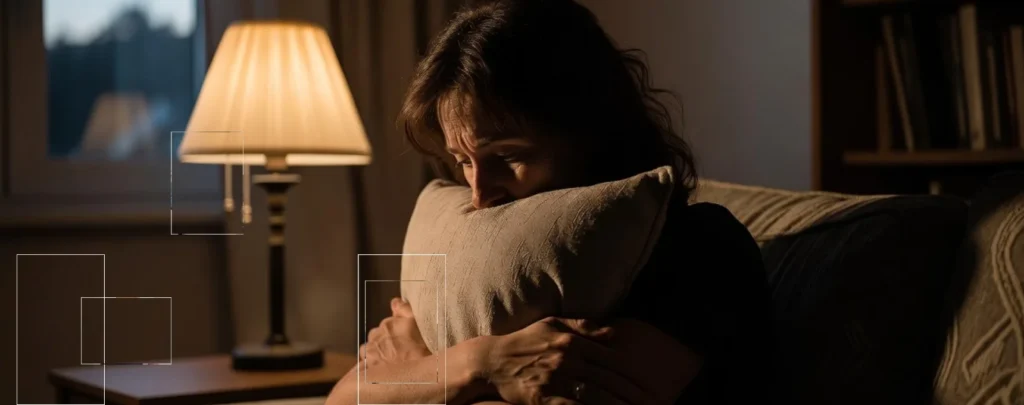
Many women reach midlife expecting greater confidence, emotional stability, and a stronger sense of balance. Instead, many Women Feel Emotionally Alone despite being surrounded by family, responsibilities, relationships, and constant communication. As stress accumulates over time, mental wellness after 40 has become an increasingly important part of overall health and happiness.
Contents
- 1. The Midlife Loneliness Nobody Talks About
- 2. The Emotional Weight Many Women Carry After 40
- 3. Why Emotional Loneliness Feels Different in Midlife
- 4. Stress and Emotional Exhaustion Can Affect Relationships
- 5. The “Invisible Woman” Experience
- 6. Hormonal and Life Changes Can Intensify Emotions
- 7. Why Connection Matters More Than Ever
- 8. Small Ways Women Can Reconnect Emotionally
- 9. Midlife Is Not the End of Connection
- 10. Loneliness in Middle-Age Women
- 11. Final Thoughts - Women Feel Emotionally Alone
For some women, emotional loneliness develops slowly through years of caregiving, emotional exhaustion, work pressure, and constantly putting everyone else first. Others notice that even healthy relationships can begin to feel emotionally distant during major life transitions. This is why self-care for women over 40 is no longer viewed as a luxury, but as an essential part of emotional well-being.
Today, more Women Feel Emotionally Alone because modern life often leaves little space for meaningful conversations, emotional connection, rest, or personal healing. Prioritizing mental wellness after 40 and creating healthier emotional boundaries can help women reconnect with themselves, improve relationships, and rediscover emotional balance at every stage of life.
The Midlife Loneliness Nobody Talks About
The Emotional Weight Many Women Carry After 40
By the time women reach their 40s and 50s, many are balancing multiple roles at once — often without enough emotional support.
- Careers and work responsibilities
- Parenting and family demands
- Caregiving for aging parents
- Household responsibilities
- Relationship pressures
- Financial stress
- Changing health and energy levels
Over time, constantly caring for others while neglecting personal emotional needs can lead to emotional burnout and deep exhaustion.
- Feeling mentally drained
- Emotional numbness
- Disconnection in relationships
- Feeling unseen or underappreciated
- Having little energy left for themselves
This emotional overload can slowly create feelings of isolation — even inside long-term relationships and busy households.
Why Emotional Loneliness Feels Different in Midlife
Emotional loneliness is not always about being physically alone. Many women experience it while surrounded by family, responsibilities, and constant communication.
- Nobody fully understands what you’re carrying
- Your emotional needs feel ignored
- Conversations remain superficial
- Emotional closeness slowly fades
- You no longer feel deeply connected
Friendships and relationships often change during midlife. Busy schedules, parenting, caregiving, relocations, and major life transitions can make meaningful connection harder to maintain.
At the same time, social media can create the illusion that everyone else feels happier, more fulfilled, and emotionally connected.
“Why do I feel so emotionally alone?”
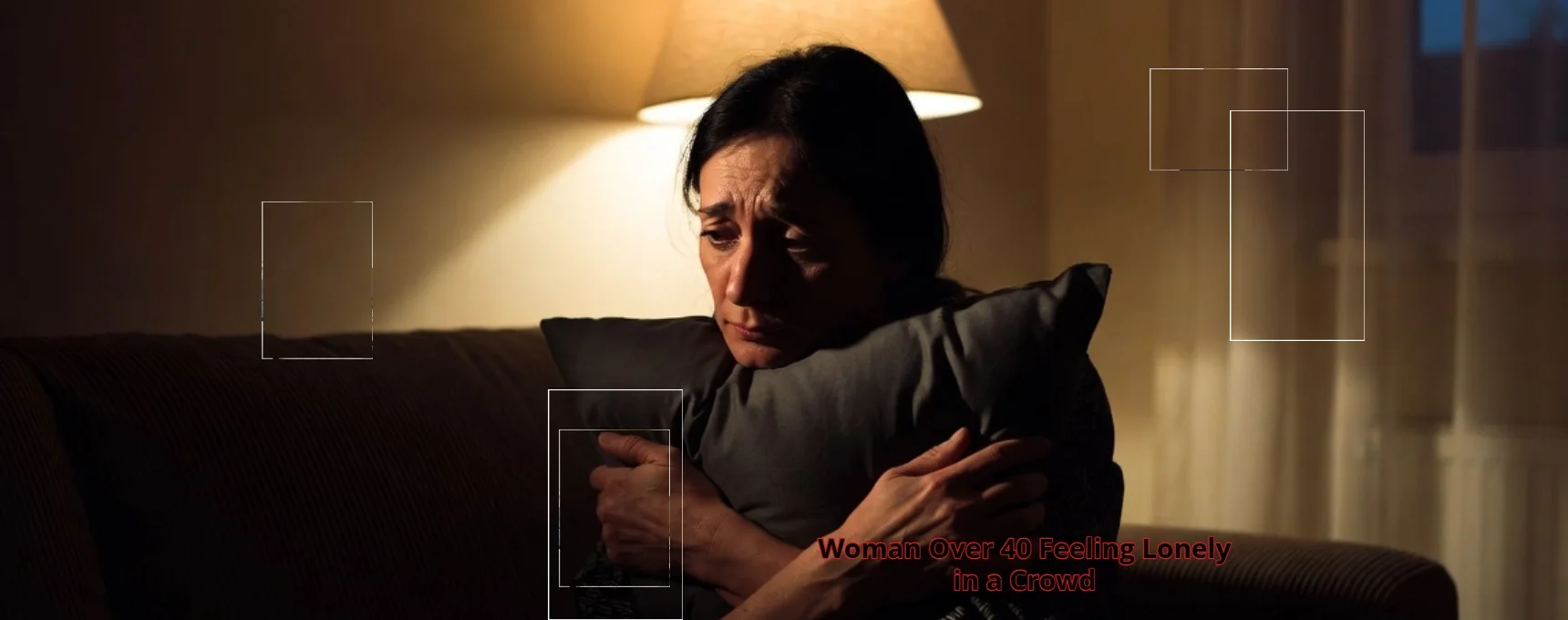
Stress and Emotional Exhaustion Can Affect Relationships
Chronic stress changes how people connect emotionally. When the nervous system stays overwhelmed for too long, emotional connection often becomes harder to maintain.
- Irritability and emotional fatigue
- Low patience and mental overload
- Reduced intimacy and connection
- Sleep problems and exhaustion
- Feeling emotionally distant
Over time, stress can quietly affect even healthy relationships. This doesn’t always mean relationships are failing — often, emotional needs have simply been neglected for too long.
Many couples become trapped in survival mode, where responsibilities slowly replace emotional closeness.
The “Invisible Woman” Experience
One of the biggest emotional struggles many women report after 40 is feeling invisible. As responsibilities grow, many women stop prioritizing themselves entirely.
- Feeling emotionally overlooked
- Less appreciated in relationships
- Disconnected from personal identity
- Seen only through caregiving roles
This emotional shift can affect confidence, self-esteem, motivation, and even physical wellness. Many women suppress these emotions because they are used to being the “strong one.”
Hormonal and Life Changes Can Intensify Emotions
Midlife often brings significant emotional and physical transitions that can increase emotional sensitivity and exhaustion.
- Changing stress levels
- Sleep quality disruptions
- Lower energy and mental fatigue
- Life transitions and routine changes
- Hormonal fluctuations
Many women notice they become more emotionally overwhelmed during this stage of life — especially when stress and emotional overload continue without enough support.
Emotional wellness becomes increasingly important after 40 — not as a luxury, but as essential self-care.
Why Connection Matters More Than Ever
Humans are emotionally wired for connection. Feeling understood, emotionally safe, and supported plays a major role in mental and physical well-being.
- Lower stress levels
- Better sleep quality
- Improved mood and resilience
- Healthier aging
- Stronger emotional wellness
Many women spend years focusing on everyone else’s needs while slowly neglecting their own emotional well-being.
Emotional isolation often grows quietly — little by little over time.
Small Ways Women Can Reconnect Emotionally
Emotional loneliness rarely disappears overnight, but small changes can create meaningful emotional relief and reconnection.
- Reconnecting with old friendships
- Having more honest conversations
- Creating healthier boundaries
- Making time for self-care
- Reducing emotional overload
- Spending time outdoors
- Journaling and mindfulness practices
- Prioritizing emotional wellness over perfection
Even small moments of genuine connection can help reduce emotional isolation and improve emotional balance.
Midlife Is Not the End of Connection
Feeling emotionally alone after 40 is more common than most people realize — but it does not mean meaningful connection is gone forever.
Midlife often becomes a turning point where women begin reconnecting with themselves, redefining relationships, and prioritizing emotional well-being in healthier ways.
Sometimes the first step toward healing is simply recognizing that your emotional needs matter too.
Loneliness in Middle-Age Women
Loneliness in middle-age women is becoming increasingly common, even among those who appear busy, successful, or surrounded by family. During midlife, many women juggle careers, caregiving, relationships, financial stress, and changing personal identities all at once. Over time, these pressures can create emotional exhaustion and a deep sense of disconnection.
Many women quietly struggle with feeling emotionally unseen or unsupported during this stage of life. Friendships may change, children become more independent, relationships evolve, and personal needs are often pushed aside. Social media can also intensify loneliness by creating unrealistic comparisons and emotional pressure. Prioritizing emotional wellness, meaningful conversations, and self-care can help reduce feelings of isolation and improve mental wellness after 40.
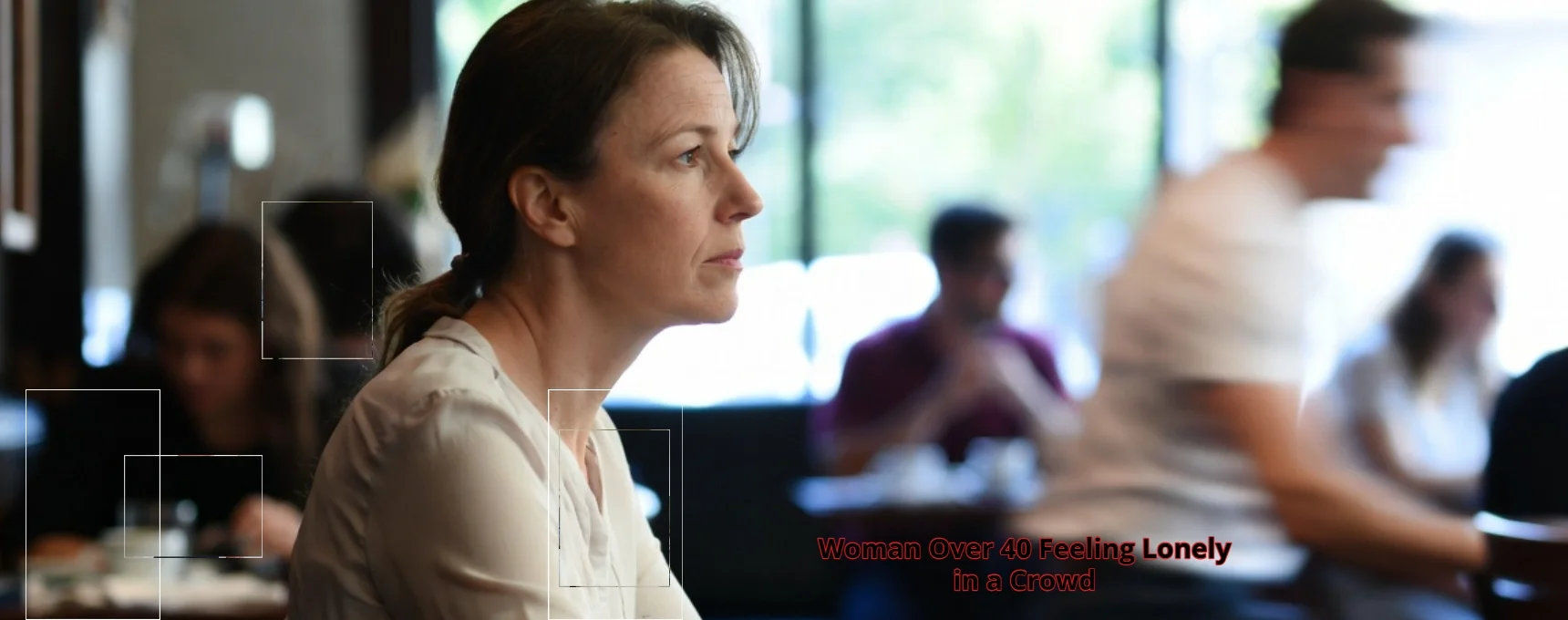
Final Thoughts - Women Feel Emotionally Alone
Many Women Feel Emotionally Alone during midlife because emotional needs are often pushed aside while caring for others, managing stress, and navigating major life changes. Over time, emotional exhaustion and disconnection can quietly affect relationships, confidence, and overall wellness.
When Women Feel Emotionally Alone, it does not mean they are failing or incapable of building meaningful relationships. In many cases, it simply reflects years of emotional overload, stress, and neglected self-care.
Midlife can also become a powerful opportunity for reconnection, emotional healing, healthier boundaries, and renewed self-worth. Small steps toward emotional wellness, support, and authentic connection can make a meaningful difference over time.



Pingback: A Modern Guide to Breaking the Cycle of Feeling Overwhelmed
This post is very useful, thanks for sharing!
Great post,Thanks for sharing