

💔 Is Your Partner AI? The Question Women Over 40 Are Asking in 2026. You’ve spent decades building real relationships—through good times and bad, through laughter and tears. But now, you’re hearing about people forming emotional bonds with AI companions. It might sound like science fiction, but it’s happening right now.
Contents
For women over 40, this raises some deeply personal questions:
- Can a digital partner ever understand me as well as a real human?
- Am I being left behind in this new world of “digital love”?
- Is my own relationship at risk if my partner turns to AI?
These aren’t just abstract questions. They’re about the future of your emotional well-being, your connection to others, and your sense of belonging. This article explores the truth about AI and emotional intimacy—and what it means for women like you who value deep, meaningful human connection.
💞 What Emotional Intimacy Really Means
Emotional intimacy is at the heart of meaningful human relationships. It goes far beyond attraction or casual interaction. It is the experience of feeling deeply understood, emotionally safe, and accepted without judgment.
True emotional intimacy involves vulnerability. It means opening up, sharing thoughts and fears, expressing needs, and trusting that the other person genuinely cares.
In traditional relationships, this type of connection develops gradually. It grows through shared experiences, honest conversations, moments of disagreement, and mutual emotional investment. It is not always easy—but it is real and deeply human.
🤖 The Illusion of Intimacy with AI
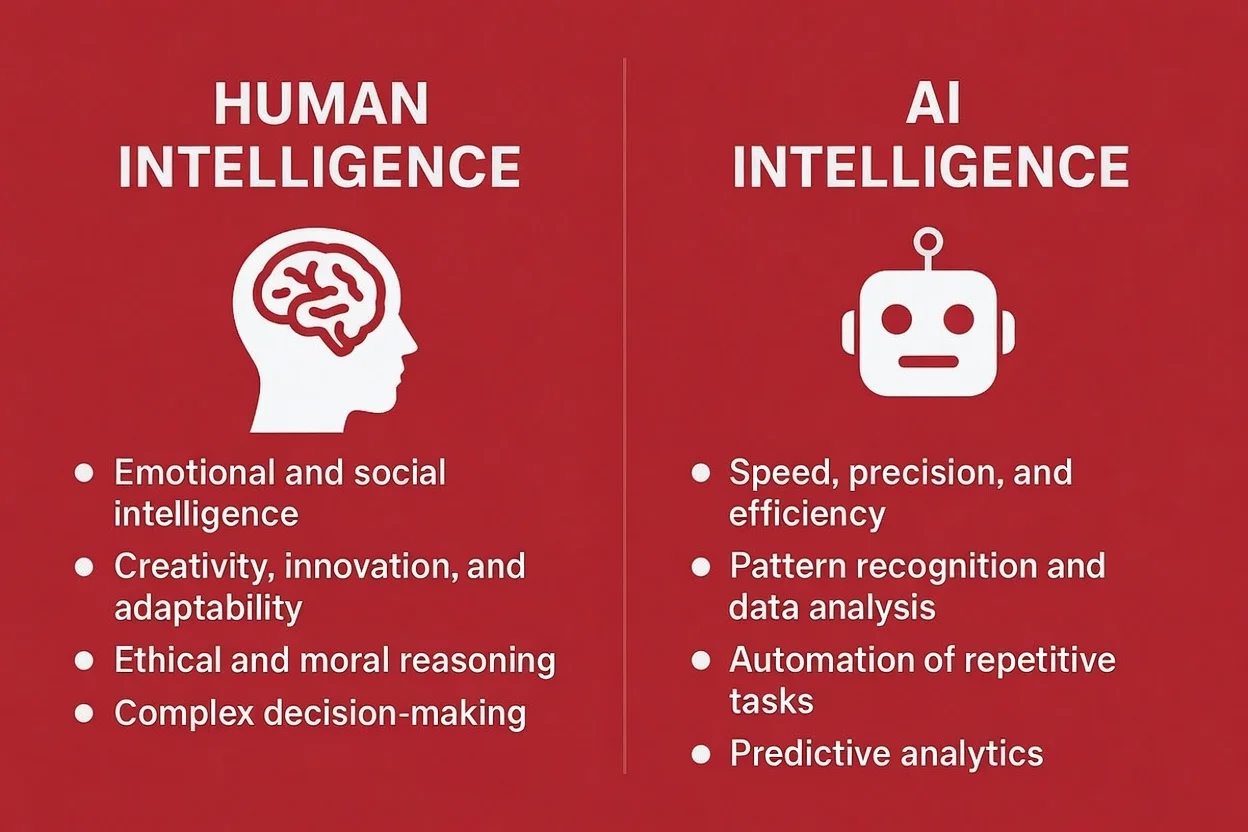
With the rise of AI emotional support and AI companionship, some aspects of emotional connection can now be simulated. AI can respond with empathy, offer comforting words, and maintain consistent communication. For many users, this can feel surprisingly meaningful.
AI can mirror emotions and respond in supportive ways, creating the impression of understanding.
Interactions with AI feel safe and controlled, without unpredictability or conflict.
However, there is an important distinction. Real emotional intimacy involves two people who both feel, respond, and grow together. AI does not experience emotions—it generates responses based on data and patterns.
🧠 The Psychology Behind AI Attachment
Humans are naturally wired for connection. When we receive attention, validation, and understanding—even from AI mental health tools—our brain responds in powerful ways. It can release dopamine (linked to pleasure) and oxytocin (associated with bonding).
This can make interactions feel emotionally significant, even when they are one-sided. Over time, some individuals may form strong attachments to AI companions, sometimes replacing real-world interactions.
Key Insight: AI can simulate connection, but genuine emotional intimacy requires mutual presence, shared experiences, and real human understanding.
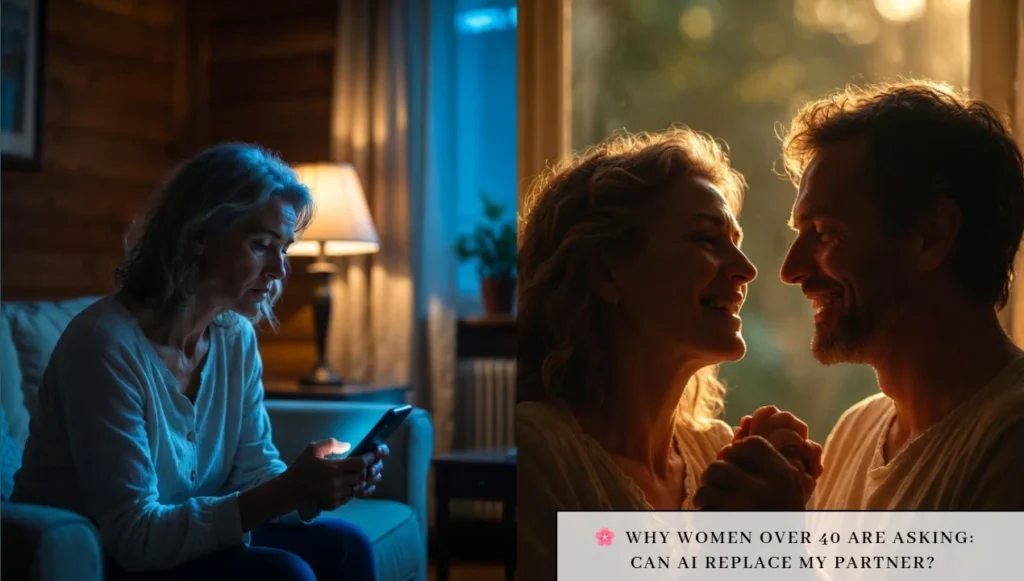
Why Women Over 40 Are Asking: Can AI Replace My Partner?
If you're a woman over 40, you've likely experienced:
The end of a long-term relationship or marriage
Starting over after years of commitment brings unique challenges and fears.
The challenge of dating in a digital world
Navigating apps, profiles, and digital expectations can feel overwhelming.
The feeling of being "invisible"
In a youth-obsessed culture, many women feel their value and visibility diminish.
Partner's divided attention
Concerns about technology competing for your partner's emotional presence.
These experiences make the question "Can AI replace emotional intimacy?" feel deeply personal.
For many women in this age group, the fear isn't just about technology—it's about being replaced, misunderstood, or left behind.
Key Insight
Women over 40 are particularly sensitive to this issue because they have invested decades in building real, human relationships. The idea that technology could undermine that investment is genuinely unsettling.
The Truth
AI can simulate conversation, but it cannot share your history, understand your journey, or grow with you through life's challenges. That's something only a real human partner can do.
💭 Have you ever worried about technology affecting your relationships?
You're not alone. Share your thoughts in the comments below. 👇
🤖 Why Some People Turn to AI for Emotional Connection
In today’s fast-paced digital world, many people are rethinking how they connect with others. Traditional relationships can sometimes feel complicated, especially when communication is unclear or expectations are not aligned. As a result, some individuals are exploring AI emotional support as an additional way to reflect, express themselves, and feel heard.
While AI companionship is not a substitute for real human relationships, it can offer a simple and accessible space for conversation. For those experiencing stress, loneliness, or emotional fatigue, this type of interaction may feel supportive and easier to manage.
🛡️ Reduced Fear of Rejection
For many people, opening up emotionally can feel difficult. With AI mental health tools, there is less fear of judgment or rejection, allowing individuals to express thoughts more freely.
⚡ Immediate Availability
AI is available anytime, without waiting for a response. This instant interaction can provide comfort, especially during moments of loneliness or stress.
🎯 Sense of Control
Conversations with AI can be guided at your own pace. This sense of control makes interactions feel more predictable and less overwhelming.
🧠 Space for Reflection
Many people use AI as a way to organize thoughts or reflect on emotions. It can act as a tool for clarity and self-awareness in daily life.
For those searching for ways to cope with loneliness or manage emotional stress, AI can feel like a helpful starting point. However, it is important to maintain a balanced approach. Human relationships, social interaction, and real-life connections remain essential for long-term emotional well-being and overall health.
Wellness Perspective: AI can support reflection and emotional awareness, but it works best when combined with healthy habits such as staying active, connecting with others, and maintaining a balanced lifestyle.
⚠️ The Hidden Risks of AI Relationships
While AI emotional support and AI companionship can feel comforting, it’s important to recognize their limitations. For some people, especially those dealing with loneliness or stress, relying too heavily on AI mental health tools may create unintended challenges over time.
🔗 Emotional Dependency
Regular reliance on AI for comfort may reduce motivation to seek real human interaction and connection.
⚖️ Avoidance of Conflict
AI interactions are smooth and predictable, while real relationships involve communication, compromise, and growth.
🎯 Unrealistic Expectations
AI often responds in ideal ways, which can make real-life interactions feel more difficult or less satisfying.
🌐 Increased Isolation
Choosing AI over human connection may contribute to deeper feelings of isolation over time.
💡 Can AI Replace Emotional Intimacy?
The honest answer is no. AI can support emotional needs by offering conversation, structure, and a sense of presence. However, it cannot replace the depth of real human connection.
- Mutual emotional exchange
- Shared life experiences
- Authentic understanding and empathy
True emotional intimacy grows through real interactions between people—through listening, responding, and evolving together. Technology can assist, but it cannot fully replicate the human experience.
Balanced Approach: AI can be a helpful tool for reflection and support, but maintaining real relationships, social interaction, and community connections remains essential for long-term emotional well-being.
🌿 Where AI Can Actually Help
While there are limitations to AI emotional support, it is important to recognize that AI is not inherently negative. When used thoughtfully, it can serve as a helpful tool for personal growth, reflection, and emotional awareness.
For individuals experiencing stress, loneliness, or uncertainty, AI companionship can offer a simple and accessible way to process thoughts and feelings. It can create a starting point for building confidence in communication and emotional expression.
🗣️ Practice Communication Skills
AI can provide a low-pressure space to practice expressing thoughts, asking questions, and building confidence in conversations.
💬 Emotional Support
During difficult moments, AI can offer immediate responses that help individuals feel heard and less alone.
🧠 Encourage Self-Reflection
Conversations with AI can help organize thoughts, clarify emotions, and improve self-awareness.
For those searching for ways to cope with loneliness or manage emotional stress, AI can act as a stepping stone. It can help individuals feel more comfortable with communication and gradually build confidence to connect with others in real life.
The key is balance. AI works best when used as a supportive tool—not as a replacement for real human relationships. Maintaining social interaction, friendships, and community connections remains essential for long-term emotional well-being.
Wellness Perspective: AI can support reflection and emotional awareness, but true connection grows through real-life relationships, shared experiences, and human interaction.
📝 Summary: The Digital Love Landscape in 2026
As we navigate through 2026, the question of AI and emotional intimacy has moved from science fiction to everyday reality. Millions of people are now forming emotional bonds with AI companions—chatbots, virtual partners, and digital assistants designed to simulate empathy and affection. For women over 40, this raises deeply personal concerns about the future of their relationships and emotional well-being.
The truth is, AI and emotional intimacy are not interchangeable. AI can simulate conversation, offer comfort, and provide a sense of presence, but it cannot replicate the depth of real human connection. Genuine emotional intimacy requires vulnerability, shared experiences, mutual growth, and the beautiful messiness of two imperfect people navigating life together.
While AI tools can be helpful for reflection, communication practice, and short-term emotional support, they are not a substitute for real relationships. The risks of over-relying on AI include emotional dependency, unrealistic expectations, avoidance of conflict, and increased isolation. These risks are particularly concerning for women over 40, who have invested decades in building real, human connections and may feel threatened by the rise of digital alternatives.
💡 Key Insight: AI is not inherently negative. When used thoughtfully, it can serve as a supportive tool—a stepping stone toward building confidence in communication and emotional expression. The key is balance: using AI as a complement to, not a replacement for, real human interaction.
💡 Conclusion: The Honest Answer About AI and Emotional Intimacy
So, can AI replace emotional intimacy? The honest answer is no. While AI can provide comfort and simulate connection, it cannot replace the depth, authenticity, and mutual growth that define genuine human relationships.
For women over 40, this understanding is particularly important. You have spent decades building real relationships—through challenges, celebrations, and everyday moments. The idea that technology could replace that investment is unsettling, but it's not the full picture. AI and emotional intimacy are fundamentally different. One is a tool; the other is a deeply human experience.
What does this mean for you? It means that AI replacing human connection is not something to fear, but something to approach with awareness. You can use AI as a supportive tool for reflection, communication practice, or short-term comfort, but never as a substitute for real relationships. Your partner, your friendships, and your community remain irreplaceable sources of understanding, empathy, and growth.
The rise of AI also presents an opportunity—to have honest conversations with your partner about technology's role in your relationship, to prioritize quality time, and to protect the emotional intimacy that only real human connection can provide. Awareness of the limitations of AI replacing human connection can actually strengthen your appreciation for the real, imperfect, beautiful relationships in your life.
🌟 Key Takeaways
💡 Final Thought
Your ability to connect, to love, and to be truly understood is uniquely human. No algorithm can replicate the warmth of a shared memory, the comfort of a partner's touch, or the growth that comes from navigating life together.
The digital age is here to stay, but so is the fundamental human need for real connection. Protect it. Nurture it. And remember: no AI can ever replace the intimacy of a heart that truly knows yours.

Pingback: Broken Trust, Broken Intimacy: Can Love Survive This?
Pingback: 21 Green Flags in a Relationship (Most People Miss #7)
Pingback: Why So Many Women Feel Emotionally Alone After 40
Pingback: How To Stop Avoiding Hard Conversations – Skills For Healthy Confrontation In Relationships