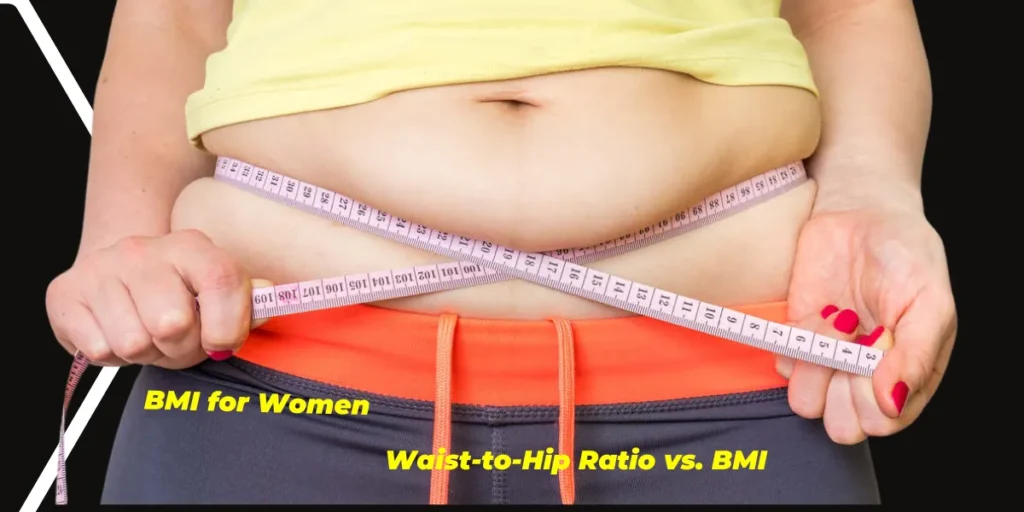
BMI for Women – Have you ever stepped off the scale feeling defeated, not because you’re unhealthy, but because a number told you that you were “overweight”?
Contents
Now ask yourself: Did that feeling follow you into your relationship? Did you pull away from your partner, decline physical affection, or silently worry they were judging your body? You are not alone. BMI for women is deeply flawed – and relying on it can damage not only your self-esteem but also your ability to feel safe and seen in love. This post explains why BMI fails women and offers better alternatives – so you can reclaim your confidence, starting with yourself and extending to your partnership.
📌 In this guide, you'll learn:
- Why BMI for women is often misleading (especially for athletes, older women, and Black/Asian women)
- 3 better alternatives: Waist-to-Hip Ratio, Body Fat %, and Waist Circumference
- How BMI obsession can quietly affect your relationship and self-esteem
- A simple calculator to find your Waist-to-Hip Ratio (and what it means for your health)
How Body Image and BMI Obsession Affects Your Relationship
When you fixate on whether your BMI is “perfect,” it doesn’t just stay in your head. It shows up in your relationship.
You might:
- Avoid intimacy because you feel “too big” or “not shaped right.”
- Reject your partner’s compliments about your body
- Feel anxious before vacations, photos, or events where you’ll be seen
- Project your insecurity onto your partner, assuming they are judging you
The number on a BMI chart is not a reflection of your worth – or your lovability. This post helps you understand why BMI is flawed, so you can stop letting an outdated metric steal your peace or your connection.
There are many alternatives to measuring body fat in women, including calipers, bioelectrical impedance analysis, skinfold measurements, and ultrasound. However, these methods aren't always accurate – especially for women with larger breasts or heavier thighs, where fat distribution varies significantly from standard models.
In this article, we cover three alternative methods for measuring body fat in women. We compare each against traditional skinfold testing and explain why most alternative methods fail to accurately measure body fat for diverse female body types.
📌 First, let's talk about BMI. The Body Mass Index (BMI) determines whether someone is classified as underweight, normal weight, overweight, or obese. You can use a BMI calculator to find your number. But here is the problem: why BMI is inaccurate for women goes far beyond a simple height-to-weight ratio.
🔍 The truth about BMI for women: Despite being used for decades as the "go-to" measurement for health based on size, BMI has been widely criticized for oversimplifying what "healthy" means. Why BMI is inaccurate for women comes down to one simple fact: it ignores muscle mass, bone density, fat distribution, and life stage – all of which vary dramatically between women.
BMI for women is calculated using only weight and height. It does not tell you whether your weight comes from muscle, bone, or fat. That is why relying on BMI for women alone can be misleading – especially for athletes, women over 50, and women of color. Let's explore what to use instead.
Limitations of BMI for Women as a Measure of Body Composition
Many claim BMI is outdated and inaccurate and shouldn't be used in medical and fitness settings. Body Mass Index (BMI) is a widely used method for assessing body weight, but here is why it may be obsolete and inaccurate.
Limited Assessment of Body Composition
BMI uses only height and weight. It does not differentiate between fat and muscle mass. Athletes and bodybuilders may be labeled "overweight" despite having low body fat.
Does Not Account for Body Proportions
BMI ignores where fat is stored. Upper-body muscle mass increases weight, but that does not mean excess body fat or obesity-related health risks.
Ignores Individual Differences
Age, gender, bone density, and genetics all affect healthy weight. BMI treats everyone the same – and misses what matters for your unique body.
Inadequate for Certain Populations
Athletes, older adults, and those with high muscle mass need specialized assessments (body fat % or waist-to-hip ratio) – not a generic BMI number.
Health Risks Vary by Person
Physical activity, diet, and medical history matter more than weight alone. BMI cannot capture these crucial factors – so don't let it define you.
💡 Remember: While BMI has limitations, it can still give a general indication of weight status.
But for a true picture of your health, combine it with other assessments – like body fat percentage, waist circumference, and waist-to-hip ratio.
So, what is a better measurement? Read on below.
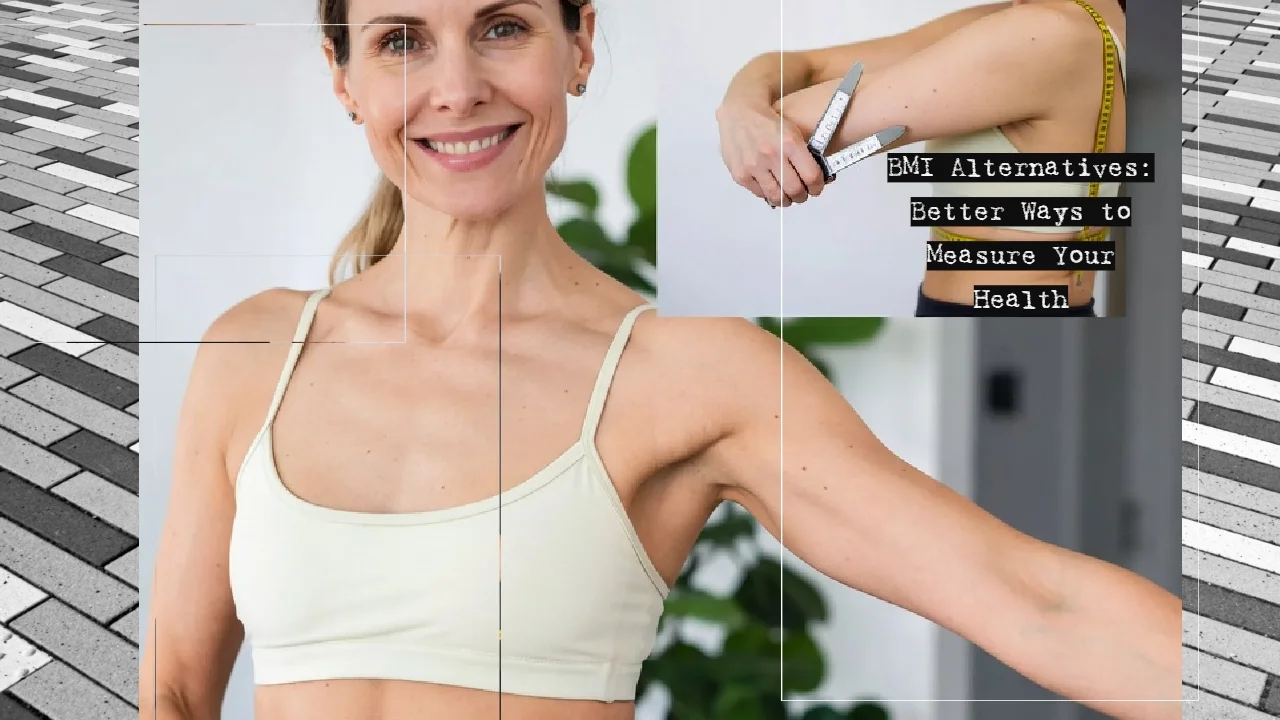
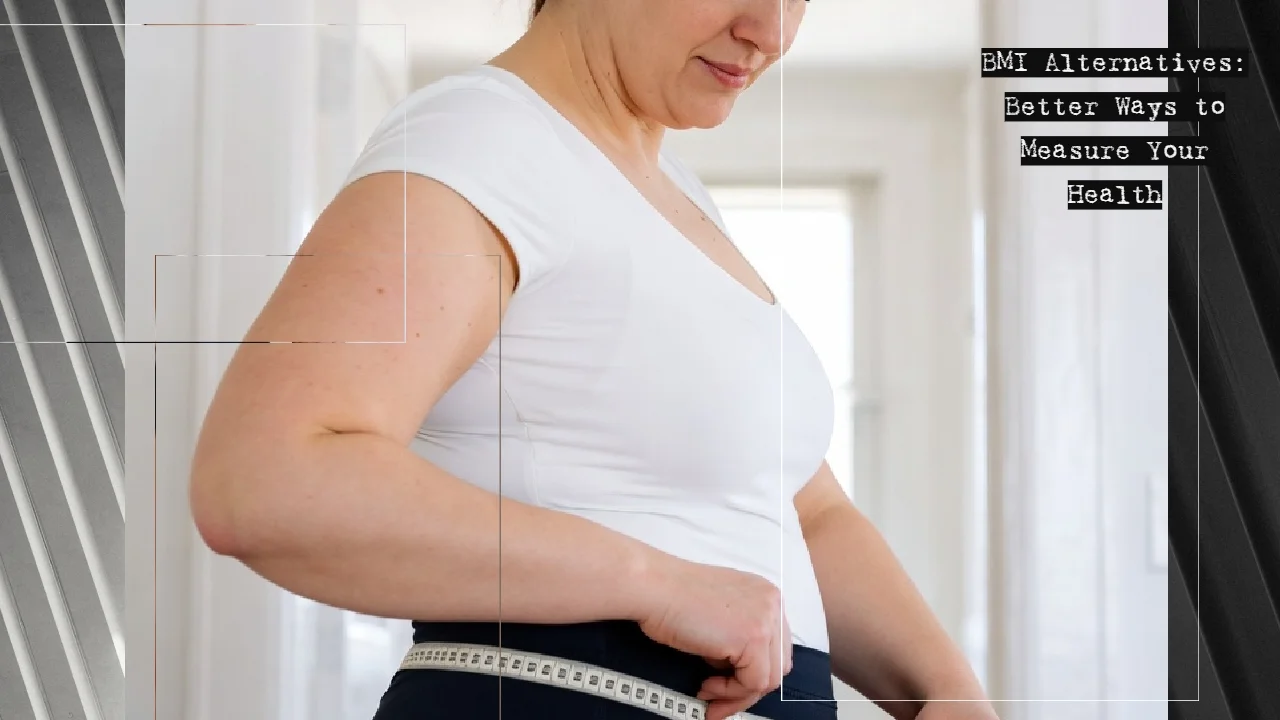
BMI Alternatives: Better Ways to Measure Your Health
So, what else should you consider besides body fat percentage? Other ways to measure your health include Body Fat Percentage, Waist Circumference, and Waist-to-Hip Ratio. These measurements provide a more accurate picture of your health than BMI alone.
📌 Key insight: Waist-to-Hip Ratio (WHR) is often a better indicator of health risk than BMI because it accounts for body shape. Women who carry weight around their middle store fat differently than men – and WHR captures that difference.
| Measurement | What It Measures | Healthy Range / Guidelines |
|---|---|---|
|
Body Fat Percentage
⚡ Most accurate for athletes
|
Body fat percentage measures the amount of fat stored in your body
.
It is calculated using a caliper that measures the circumference of your
arms,
legs, chest, and stomach. These measurements are added and divided by 4 to get total body fat percentage.
✅ Why better than BMI: Considers the amount of muscle you have. |
Women (age 20-40): 21–33% Women (age 41-60): 23–35% Women (athletes): 14–20% Men: 8–19% (general) Source: American Council on Exercise |
|
Waist Circumference (WC)
📏 Best for abdominal fat
|
Measures the narrowest point between the lowest rib and the top of the hip bone (or at the navel).
How to measure: Use a measuring tape at the natural waist. Keep tape snug but not compressing skin. According to the National Heart, Lung, and Blood Institute, waist circumference is a strong predictor of heart disease and Type 2 diabetes risk. |
Healthy: 👩 Women: ≤ 35 inches (≤ 88 cm) 👨 Men: ≤ 40 inches (≤ 102 cm) ⚠️ High risk if exceeds these values |
|
Hip Circumference (HC)
🫂 Used with waist for WHR
|
Measures around the widest part of the buttocks. Often used with waist circumference to calculate Waist-to-Hip Ratio (WHR), a valuable indicator of body fat distribution. |
Average range: 34–38 inches ⚠️ Overweight indicator: HC > 39 inches Note: HC alone is less predictive than waist or WHR. |
|
Waist-to-Hip Ratio (WHR)
⭐ Best overall predictor
|
WHR = Waist circumference ÷ Hip circumference
Measures the proportion of fat stored around the abdomen vs. hips. A higher WHR indicates more visceral (belly) fat, which is linked to heart disease, diabetes, high blood pressure, and stroke. 📌 Women who carry excess weight around their middle (apple-shaped) have higher health risks than those who carry weight on hips/thighs (pear-shaped). |
For women: 🟢 Low risk: ≤ 0.80 🟡 Moderate risk: 0.81 – 0.84 🔴 High risk: ≥ 0.85 For men: 🟢 Low risk: ≤ 0.95 🔴 High risk: ≥ 1.0 |
What it measures: Total body fat using calipers (arms, legs, chest, stomach). Learn more.
Healthy range (women 20-40): 21–33%
Why better: Considers muscle mass – ideal for athletes.
What it measures: Abdominal fat (strongest predictor of heart disease & diabetes).
Healthy: Women ≤ 35 in | Men ≤ 40 in
How to measure: At natural waist, between lowest rib and hip bone.
What it measures: Widest part of buttocks. Used with waist for WHR.
Average: 34–38 inches
Overweight indicator: > 39 inches
Formula: Waist ÷ Hip
For women: ≤0.80 low risk | 0.81-0.84 moderate | ≥0.85 high risk
For men: ≤0.95 low risk | ≥1.0 high risk
⭐ Best overall predictor of heart disease, diabetes, and stroke.
💡 Remember: No single number defines your health. Use these alternatives together –
especially Waist-to-Hip Ratio – for a complete picture.
📌 "Lowering your WHR can reduce your risk of heart disease, diabetes, and stroke – regardless of BMI."
📐 Waist-to-Hip Ratio (WHR) Calculator
Your Waist-to-Hip Ratio:
BMI for Black Women & Asian Women: Why It Fails
Standard BMI was developed primarily on white European populations. It does not account for genetic differences in body composition, bone density, or fat distribution. Here is what every woman of color needs to know.
🖤 Black Women
⚠️ Why BMI fails:
Research indicates BMI overestimates health risks. Black women have higher bone density and muscle mass – a higher weight doesn't always mean higher body fat.
✅ What to use instead:
Waist-to-Hip Ratio alongside standard measurements. Ask for a DEXA scan if available.
🍚 Asian Women
⚠️ Why BMI fails:
Risk of "Normal Weight Obesity" – healthy BMI but high visceral (internal) fat around organs.
✅ What to use instead:
Lower BMI thresholds (23.0 instead of 25.0) + Waist Circumference (< 31 inches for Asian women).
🎂 Women Over 50
⚠️ Why BMI fails:
Muscle loss (sarcopenia) and fat redistribution to midsection – BMI misses this metabolic shift.
✅ What to use instead:
Waist Circumference (< 35 inches) is more critical than scale weight. Strength training 2x/week preserves muscle.
📌 Key Takeaway for Women of Color and Women Over 50:
BMI was never validated on diverse populations. If you are Black, Asian, over 50, or active – advocate for better measurements. Ask your doctor for waist-to-hip ratio, waist circumference, or body fat percentage instead of relying on a number that wasn't built for you.
BMI for Women Over 50 and Athletes: What to Use Instead?
BMI was never designed for these two groups. Here is why – and what to use for a true picture of your health.
Women Over 50
⚠️ Why BMI fails after 50:
Menopause leads to natural muscle loss (sarcopenia) and fat redistribution to the midsection. BMI cannot distinguish between lost muscle and gained fat – so it often underestimates health risks in this age group.
✅ What to use instead:
- Waist Circumference – tracks dangerous belly fat (aim for < 35 inches)
- Waist-to-Hip Ratio (WHR) – best predictor of heart disease risk after 50
- Functional fitness tests – can you stand from a chair without using hands? Climb stairs?
- DEXA scan (if available) – measures bone density + muscle vs. fat accurately
📌 Pro tip: Strength training 2x/week preserves muscle and improves metabolic health – regardless of what the scale says.
Athletes & Active Women
⚠️ Why BMI fails for athletes:
Muscle is denser than fat. A fit athlete may have a BMI of 28+ (classified as "overweight") while having very low body fat and excellent cardiovascular health. BMI penalizes muscle.
✅ What to use instead:
- Body Fat Percentage – calipers, BIA scale, or DEXA (ideal range for female athletes: 14–20%)
- Waist-to-Hip Ratio – even lean athletes can have unhealthy visceral fat
- Performance metrics – VO2 max, resting heart rate, recovery time
- How clothes fit – consistent size + strength gains = progress, not the scale
🏋️♀️ Pro tip: If you're an athlete or train 4+ times a week, ignore BMI completely. Track body fat % and performance instead.
📋 Quick Reference: Better Metrics for These Populations
| Population | Best Alternative #1 | Best Alternative #2 | What to Ignore |
|---|---|---|---|
| Women Over 50 | Waist Circumference (< 35 in) | Waist-to-Hip Ratio (< 0.85) | BMI alone |
| Athletes / Active Women | Body Fat % (14-20% for elite) | Performance metrics (VO2 max, strength) | BMI entirely |
| Both Groups | DEXA scan (bone density + fat/muscle) | How clothes fit + energy levels | Scale weight fluctuations |
💬 Your body has carried you through decades of life or intense training. It deserves to be measured with tools that actually see you – not a 200-year-old formula.
👇 Which alternative will you try first? Waist circumference, body fat %, or WHR?
💬
Your turn.
Has worrying about your BMI or body size ever affected your relationship – even silently? Share below. You might help another woman feel less alone.
👇 Or save this post and come back when you need a reminder:
“A number does not define your worth or your lovability.”
🌸 Join our growing community
✨ We share daily tips on body image, self-esteem, and healthy relationships.
Pingback: Body Confidence Starts Within: Love Your Skin at Any Size
Pingback: Health risks of being overweight and how to start a journey back to wellness
Pingback: Health Risks of Being Overweight: A Complete Guide to Causes & Solutions
Pingback: Why is BMI outdated? The Hidden Flaws in the BMI Method — And Why It May Be Even Less Accurate for Black Women