

Taking Things So Personally – When you take things too personally, everyday interactions can feel overwhelming, triggering anxiety attacks, panic attacks, or a spiral of depression anxiety. Your mind begins to interpret neutral comments as criticism and small conflicts as personal failures. But this sensitivity is often rooted in past wounds—not current reality.
Taking Things So Personally: How to Protect Your Emotional Well-Being
Building emotional resilience starts with slowing down your reactions and practicing grounding anxiety techniques. When you find yourself taking things so personally, your nervous system interprets neutral comments as threats—but you can interrupt that pattern with simple, effective tools.
Simple ways to help anxiety include deep breathing, reframing negative thoughts, and reminding yourself, “This is not about me—it’s just information.” Learning to stop taking criticism personally is a skill, not a personality change; it allows you to receive feedback without letting it define your self-worth. These tools make it easier to stay centered when emotions surge.
There are also effective ways to combat panic attacks, such as cold-water grounding, box breathing, and naming five things you can see. These techniques help your brain shift from emotional overwhelm to clarity—especially when you’re taking things so personally and spiraling into self-doubt.
You deserve emotional peace. With compassionate self-awareness and the right techniques, you can stop taking criticism personally and begin seeing others’ words as reflections of them, not verdicts on you. Protecting your mental well-being with confidence is not selfish—it’s essentia
Why We Take Things Personally
Past Wounds
Childhood criticism, rejection, or emotional neglect wires the brain to stay hypervigilant. Neutral comments can feel like threats because they echo old pain.
Low Self-Worth
When your sense of self is fragile, you unconsciously seek external validation — and interpret ambiguous feedback as proof of inadequacy.
Anxiety & Rumination
Anxiety amplifies perceived danger. Your mind fills in blanks with worst-case scenarios (“they’re upset with me”) even when no evidence exists.
People-Pleasing Tendencies
If your identity is tied to keeping others happy, any hint of disapproval feels like an existential threat to being “good enough.”

7 Strategies to Stop Personalizing
Pause & Name the Feeling
Before reacting, mentally note: “I’m feeling attacked right now.” Labeling activates the prefrontal cortex, reducing emotional hijack.
💬 “I notice my chest is tight — this is old hurt, not present danger.”Separate Fact from Story
Write down: What objectively happened? vs. What meaning am I making up? Most suffering comes from the story, not the event.
📓 Fact: “They were quiet.” Story: “They’re angry at me.”Ask: “What’s Another Possibility?”
Generate at least 3 other reasons for someone’s behavior that have nothing to do with you. This breaks the tunnel vision of personalization.
🔍 maybe they’re tired, stressed, or distracted — not rejecting me.Use the “Not About Me” Mantra
Repeat a short, compassionate phrase to disrupt the loop. Keep it simple and repeat until your nervous system settles.
🧘 “Their reaction is their stuff. I don’t need to carry it.”Ground Yourself Physically
Anxiety personalizes faster when you’re dysregulated. Use cold water, box breathing, or pressing feet into the floor to return to safety.
❄️ splash cold water on your wrists + inhale 4, hold 4, exhale 6.Delay the Response
Give yourself 20 minutes before reacting. Most personalized emotions lose their intensity once the initial adrenaline fades.
⏳ “I need a moment to think — let’s revisit this in 30 minutes.”Strengthen Self-Concept Outside Feedback
Build an identity that isn’t dependent on approval. Write down 5 values you hold true regardless of others’ opinions.
📝 “I am kind, I show up, I grow — no single comment can undo that.”Real-Life Scenarios & Reframes
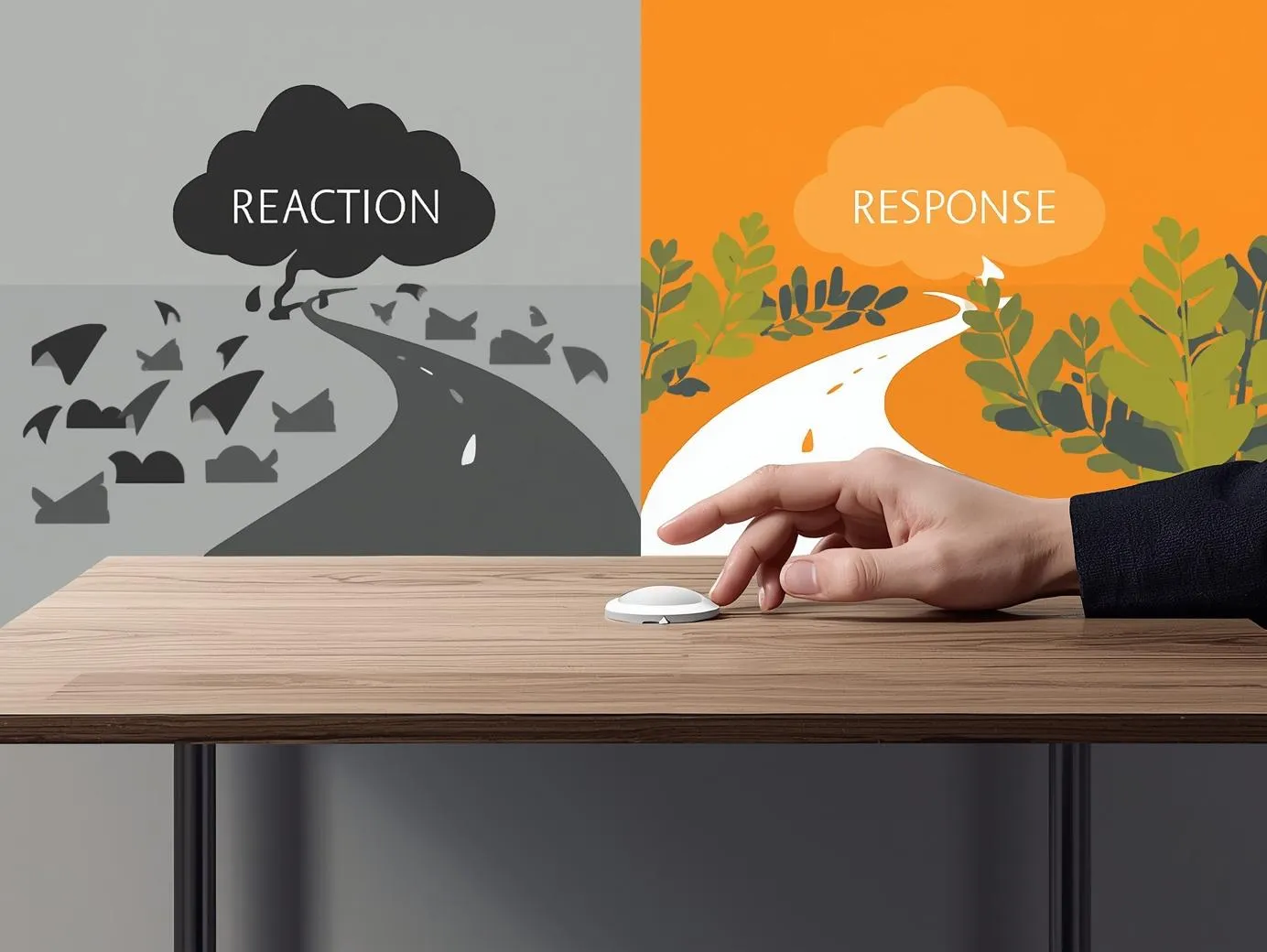
The G.R.O.U.N.D. Method ⛅
Gather
When you feel the sting, gather your awareness. Notice physical sensations: tight chest, clenched jaw, shallow breath. Don’t judge — just observe.
Reframe
Consciously replace the personalizing story with a neutral one. Remind yourself: their words reveal their inner world, not your worth.
Observe
Separate what actually happened from the meaning you’re adding. What’s objective evidence? What’s your mind’s interpretation?
Understand
Ask yourself: why did this land so hard? Which past experience does this remind me of? Recognizing the trigger disarms its power.
Neutralize
Replace self-criticism with kindness. You’re not “too sensitive”; you’re human. Offer yourself the same warmth you’d give a friend.
Decide
From a calmer state, choose your response — or non-response. You can speak, set a boundary, or simply let it go. The power is yours.
Why G.R.O.U.N.D. works: it interrupts the emotional hijack, restores cognitive clarity, and builds self-trust. Each time you practice, you rewire the habit of taking things personally.