
🌸 Mood Swings in Women Over 40: You’re Not Crazy—It’s Hormonal Do you feel like your emotions are on a rollercoaster? Like you’re snapping at your partner one minute and crying the next? You’re not alone—and it’s not your fault.
Contents
Mood swings in women over 40 are often driven by very real hormonal shifts during perimenopause and menopause. This isn’t about being “difficult” or “overly emotional.” It’s biology. And the good news? There are proven, natural ways to regain control—without losing yourself or damaging your relationships.
In this guide, we’ll explore: – Why mood swings happen (the science) – How they secretly affect your relationship – Practical, natural management strategies that actually work
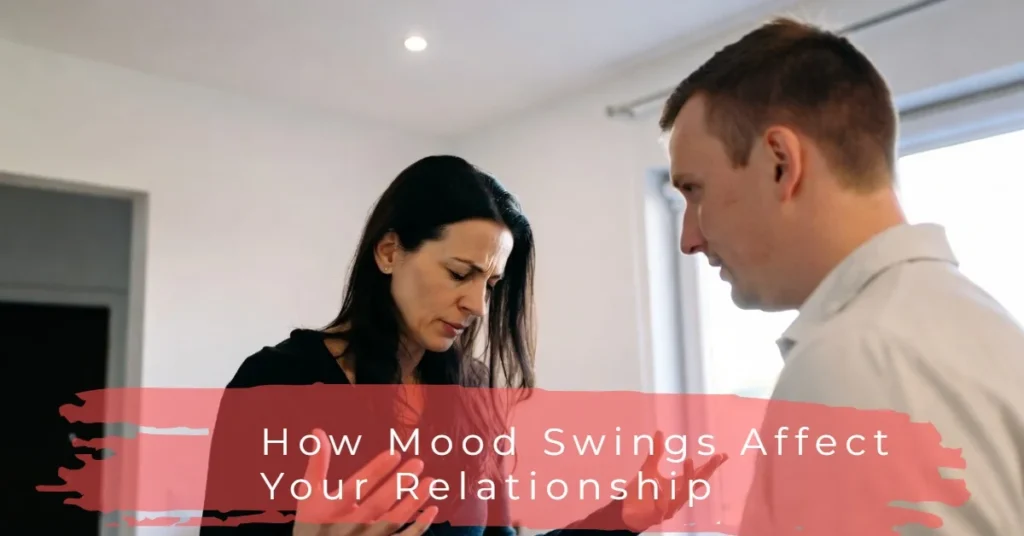
The Ripple Effect: How Mood Swings Affect Your Relationship
When you're in the middle of a mood swing, it's not just you who feels it—your partner does too.
Irritability
Can be misinterpreted by your partner as rejection or lack of love, creating confusion and hurt feelings.
Withdrawal
Can feel like you're pulling away from the relationship, leaving your partner feeling disconnected and confused.
Fatigue
Can be mistaken for disinterest or lack of affection, when really you're just exhausted.
💭 Your partner may want to help, but if you don't understand the hormonal root of your mood, they may not know how to support you.
The Key: Communication
"I'm not upset with you. I'm dealing with hormonal shifts that affect my mood. I need some space right now, but I love you."
A Shared Challenge
When both partners understand the biology, mood swings become a shared challenge—not a source of conflict.
What Causes Mood Swings In Women?
Understanding Mood Swings in Women
Additionally, stress, sleep disturbances, poor nutrition, and underlying mental health conditions such as anxiety and depression can contribute to mood swings.
By recognizing potential triggers, women can develop targeted strategies to manage their emotions more effectively.

The Balancing Act: How Women Manage Mood Fluctuations
From puberty to postpartum to menopause, managing mood fluctuations is a common thread in many women's lives. These shifts can affect energy, relationships, and daily functioning—but understanding how to navigate them makes all the difference.
Hormonal Influences on Emotional Health
Throughout your menstrual cycle, estrogen and progesterone naturally rise and fall. These shifts influence key neurotransmitters like serotonin and dopamine, which directly regulate mood.
This is why many women experience:
💡 …especially during the premenstrual phase or perimenopause. Recognizing this as a biological pattern—not a personal failing—is the first step toward effective emotional regulation for women.
Self-Awareness + Emotional Regulation
One of the most empowering tools is self-awareness. By tracking your mood patterns—whether in a journal or a simple app—you can begin to anticipate emotional shifts rather than feel blindsided by them.
Combine that with mindfulness practices like:
- Deep breathing
- Guided meditation
- Gentle yoga
💡 …and you're actively building the skills needed for how to manage mood swings naturally, without relying solely on external fixes.
Healthy Lifestyle Habits That Stabilize Mood
Small daily habits add up to big emotional stability:
Regular Exercise
Boosts endorphins—your body's natural mood stabilizers
Quality Sleep
Lack of sleep amplifies emotional volatility
Nutrient-Rich Diet
Supports neurotransmitter function and hormonal balance
💡 When these three pillars are in place, many women find that their mood swings become less frequent and less intense.
Social Support + Open Communication
Building a solid support network isn't just nice to have—it's essential. Whether it's a close friend, a partner, or a local support group, sharing your experience provides emotional validation and a fresh perspective.
💡 Open communication about what you're going through helps loved ones understand how to show up for you, replacing frustration with empathy.
Empowerment Through Knowledge
Knowledge truly is power. When you understand the physiological changes happening in your body—from hormonal shifts to life stages—emotional responses become less mysterious and more manageable.
💡 By educating yourself on topics like hormonal mood swings treatment and how to manage mood swings naturally, you take the driver's seat in your own well-being.
📚 Continue Your Journey to Emotional Balance
💬 Which strategy will you try first to manage mood fluctuations?
Share your commitment in the comments — you might inspire another woman to take control of her emotional well-being! 👇
Mood Swings in Women Over 40: What's Really Happening
If you're a woman over 40, you may have noticed that your emotions feel different than they did in your 20s or 30s. You're not imagining things—and you're not alone.
🔍 The shift is real—and it's biological. Hormonal changes during perimenopause and menopause can make your nervous system more reactive, leading to increased irritability, anxiety, and emotional sensitivity.
Hormonal Fluctuations
Declining estrogen and progesterone affect neurotransmitters like serotonin and dopamine, directly impacting mood regulation.
Life Transitions
Empty nest, caring for aging parents, and career shifts can create cumulative stress that amplifies mood swings.
Sleep Disruption
Night sweats and insomnia are common, and lack of quality sleep amplifies emotional volatility.
Stress Accumulation
Years of juggling career, family, and caregiving can lead to adrenal fatigue, making mood swings more intense.
🌟 The good news: Understanding the root causes is the first step toward regaining control. With the right strategies—nutrition, sleep, stress management, and support—you can smooth out the emotional rollercoaster and feel like yourself again.
Natural Management Strategies
Nutrient-Rich Diet
Quality Sleep
Stress Management
Regular Exercise
Support Network
Self-Awareness
You Are Not Alone
Mood swings in women over 40 are a normal biological response to change—not a sign of weakness. With the right tools and support, you can navigate this transition with grace and resilience.
💬 Which of these strategies will you try first?
Share your commitment in the comments — you might inspire another woman to take control of her mood swings! 👇
Final Thought
Managing mood fluctuations isn’t about perfection—it’s about progress, self-compassion, and the right tools. With a combination of nutritional support, stress management, meaningful connection, and self-awareness, you can move through emotional shifts with greater ease and resilience.
For women navigating perimenopause and beyond, understanding the root causes of mood changes is the first step toward reclaiming control. Emotional regulation for women isn’t about suppressing feelings—it’s about recognizing them, understanding their origins, and responding with intention rather than reaction.
The journey toward emotional regulation for women is deeply personal, but you don’t have to walk it alone. Whether through nutrition, movement, mindfulness, or connection with others, every small step you take builds a foundation of strength and resilience.
Remember: Mood swings in women over 40 are not a sign of weakness—they are a biological response to change. By embracing this truth, you can replace self-criticism with self-compassion and begin to navigate this chapter with grace and confidence.
💡 Remember: You are not broken. You are not alone. And with the right tools and support, you can navigate mood swings in women over 40 with resilience, self-compassion, and a renewed sense of empowerment.
💬 Have you ever experienced this in your relationship?
Share your story or tips in the comments — you might help another woman feel less alone! 👇

Pingback: How to Stop Taking Things So Personally: 7 Strategies for Emotional Resilience
Pingback: Broken Trust, Broken Intimacy: Can Love Survive This?